
Unpacking George Strait's 'The Chair': An Acoustic Interpretation
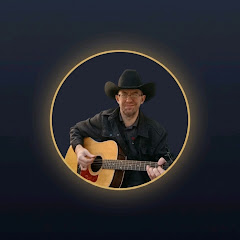
The power of a country classic often lies in its storytelling, and few songs weave a tale as masterfully as George Strait's "The Chair." This iconic narrative, celebrated for its charm and wit, details a spontaneous bar encounter through a series of artfully crafted conversational gambits. An intimate acoustic cover breathes new life into this beloved track, allowing its intricate lyrical dance to shine with a renewed focus on raw vocal performance and acoustic guitar work. The beauty of such a rendition is how it allows listeners to lean in, to truly absorb the evolving narrative as a single, captivating performance unfolds.
The Art of the Opening Line: Striking Up Conversation
The journey of "The Chair" begins with a seemingly innocuous, yet cleverly calculated, opening line. The narrator approaches, not with a grand declaration, but with a subtle observation, testing the waters and inviting interaction. The initial exchange immediately sets a tone of playful ambiguity, hinting at the protagonist's strategic wit.
The first line, "Well, excuse me, but I think you've got my chip," immediately creates a pretext for conversation. It's a classic move, creating a mild disruption that requires a response. This isn't just about claiming a chip; it's about making an impression. When the response implies the spot is available, the narrator capitalizes on the opening:
No, that one's not taken, I don't mind If you sit here, I'll be glad to share It's usually packed here on Friday nights
This swift follow-up transforms a potential misunderstanding into an invitation, cleverly noting the crowded venue as a natural reason to share space. It subtly suggests a shared experience and perhaps a hint of camaraderie in a busy setting. This early maneuver exemplifies the song's celebrated narrative style, where every line serves a dual purpose: to advance the conversation and to reveal character. The protagonist isn't merely stating facts; he's setting the stage for connection. The next request, "But if you don't mind, could I talk you out of a light?", further solidifies the interaction, moving past the initial pretext into a more direct, yet still casual, request for help, a common social lubricant in a bar setting.
The Courteous Gambit: Offering a Drink
As the conversation progresses, the narrator moves from a simple request to a more substantial offering, demonstrating a polite persistence and an escalating interest. The transition from asking for a light to offering a drink showcases a shift in his approach – from needing assistance to providing hospitality.
Initially, there’s a charming stumble in his delivery: "Well, thank you, could I drink you a bite? Oh, listen to me, what I mean is, can I buy you a drink?" This brief moment of awkwardness humanizes the character, making his subsequent, more confident offer, "Anything you please," all the more endearing. It signals a genuine desire to connect, moving beyond superficial pleasantries to a gesture of generosity and attention. The acoustic nature of a cover allows these subtle vocal shifts and inflections to carry weight, emphasizing the narrator's earnestness.
The dialogue continues, revealing more about both characters while maintaining the narrator's gentle pursuit. He acknowledges politeness, then probes further: "Oh, you're welcome, well, I don't think I called your name Are you waiting for someone to meet you here? Well, that makes two of us glad you came." These lines are carefully constructed to gather information without being intrusive, simultaneously expressing relief and shared pleasure in the encounter. It establishes a comfortable, mutual appreciation for the chance meeting.
The conversation flows naturally, touching on common bar topics like the live music: "No, I don't know the name of the band, but they're good Aren't they? Would you like to dance?" This not only provides another opportunity for interaction but also subtly shifts the mood towards something more active and potentially romantic. The narrative in "The Chair" masterfully portrays how these small, seemingly trivial exchanges build towards a deeper connection, illustrating the meticulous craft behind celebrated country storytelling.
Unveiling The Chair's True Story: A Classic Narrative
The song reaches its emotional core as the narrator moves past initial flirtations and reveals a deeper layer of his intentions and feelings. The dance floor offers a new intimacy, allowing for a more personal connection and the suggestion of a burgeoning relationship. The lyrics transition from observational pleasantries to heartfelt sentiment, culminating in the iconic twist that gives "The Chair" its enduring charm.
As they dance, the music itself becomes a catalyst for connection: "Yeah, I like this song too, it reminds me of you and me Baby, do you think there's a chance?" This moment transforms the casual encounter into a poignant reflection on potential romance. The direct question about "a chance" signifies a bold step forward, moving from subtle hints to an explicit desire for a future together. It captures that magical instant when two strangers recognize a deeper connection, propelled by shared enjoyment and a mutual spark.
The narrative then quickly moves to the promise of companionship beyond the evening: "And later on, I could drive you home No, I don't mind at all Oh, I'd like you to, and to tell you the truth That wasn't my chair after all." The offer to drive her home solidifies the deepening bond, suggesting care and a willingness to extend their time together. The concluding revelation—that the initial claim about the chair was a fabrication—is delivered with an endearing honesty, a confession that retroactively reframes the entire interaction. It's a testament to the power of a well-told story, where the punchline doesn't diminish the journey but illuminates the charming wit that initiated it all. The repetition of the final line emphasizes its significance:
Oh, I'd like you to, and to tell you the truth That wasn't my chair after all.
This twist is what makes "The Chair" a timeless classic, demonstrating the narrator's cleverness and his sincere desire to meet someone special, using a simple prop as a delightful pretext. An acoustic rendition often highlights this lyrical cleverness, allowing the listener to fully appreciate the narrative arc and the engaging honesty of the revelation.
Frequently Asked Questions About "The Chair"
What was the narrator's initial approach to striking up a conversation?
The narrator began by making a casual observation, stating, "Well, excuse me, but I think you've got my chip," to initiate an interaction.
How did the narrator transition from asking for a light to offering a drink?
After requesting a light, the narrator humorously stumbled over his words, saying, "could I drink you a bite?" before clarifying, "what I mean is, can I buy you a drink?"
What was the narrator's true intention regarding the chair?
At the end of their conversation, the narrator confessed, "That wasn't my chair after all," revealing his initial claim about the chair was a charming ruse to start talking to her.
How did the narrator express his deepening interest during the encounter?
He asked if she thought "there's a chance" for them as they danced, and later offered to drive her home, indicating a desire to continue their time together.
What kind of atmosphere did the narrator describe at the venue?
The narrator noted, "It's usually packed here on Friday nights," suggesting a lively and busy environment.
Experience the Story Anew with The Dungeon Troubadour
The timeless narrative of George Strait's "The Chair" continues to resonate, not just for its clever wordplay but for its honest portrayal of human connection. The journey from a fabricated claim about a chair to the blossoming of a potential romance is a testament to the power of a genuine encounter, however it begins. This celebrated story, brought to life through intricate acoustic guitar work and a raw vocal performance, offers a fresh perspective on a beloved classic. Hearing the lyrics unfold in an intimate setting truly captures the essence of this celebrated narrative, allowing the listener to appreciate every nuanced line and the masterful storytelling it represents. To truly immerse yourself in this captivating acoustic cover and rediscover the charm of this country classic, consider experiencing the rendition by The Dungeon Troubadour.
This article is based on this video by The Dungeon Troubadour . Written and published automatically with BlokStreams.
Comments
Be the first to comment.